Mold making for trade show models for product presentation at the trade show
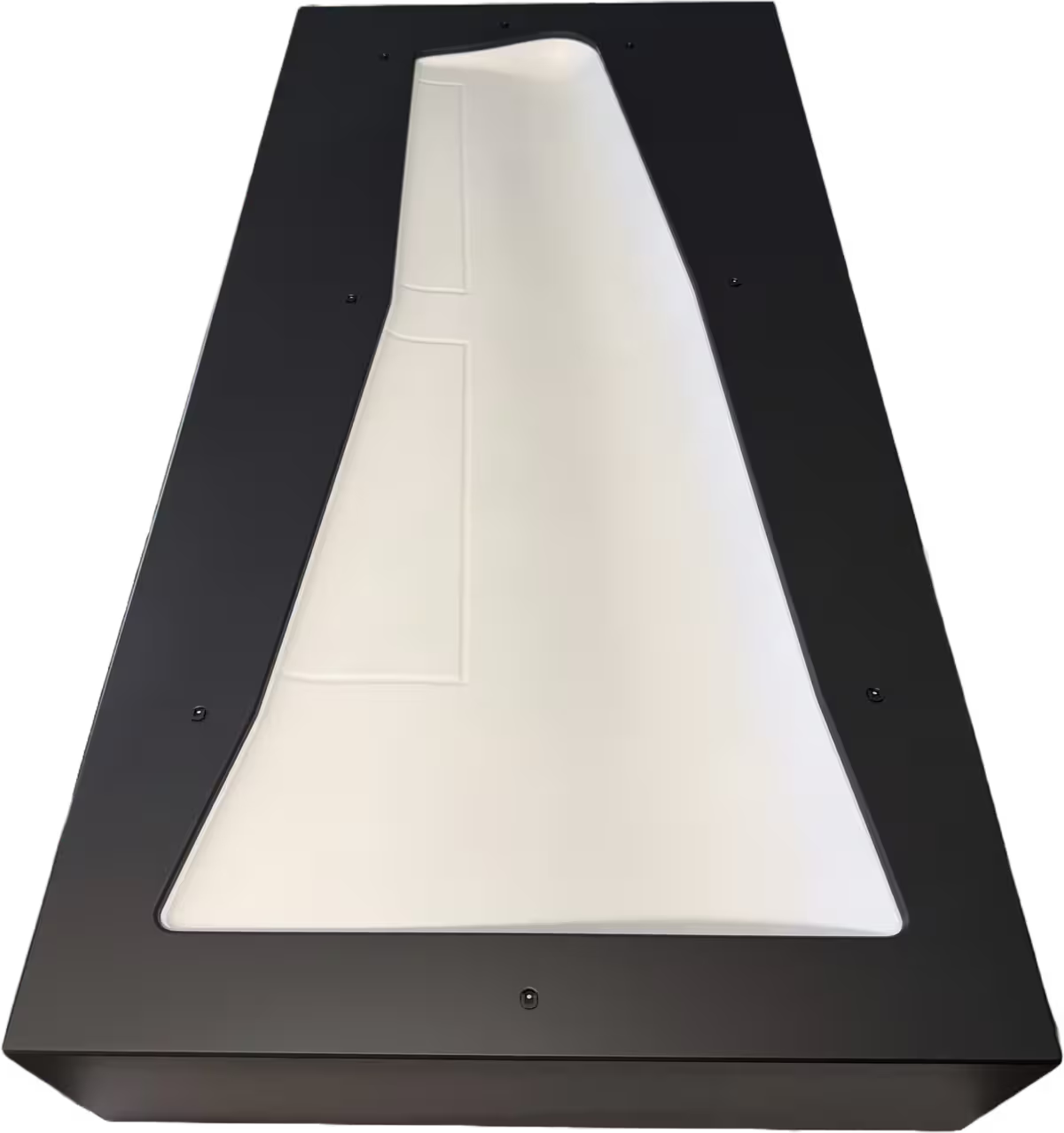
The engineering firm Glaser develops and manufactures classic mold-made trade show models that make technical products tangible and understandable. Depending on the application, CNC-milled molds are produced from wood, MDF, PU, plastic, or aluminum and then painted. On the trade show booth, these molds serve as a demonstration model and eye-catcher at the same time.
CNC mold making from CAD design to finished trade show model
The video shows as an example how a digital CAD design becomes a real trade show model. From a glued MDF block the 3D shape is milled by CNC, then sanded and finally painted. This creates a visually appealing form that can be used as an eye-catcher and demonstration model.
Outro - The Technical Realization of Your Vision - Engineer Glaser
🚀 The starting signal. The outro for future videos is finished. In upcoming videos we will show how the spark ignites and technical dreams become reality. Stay tuned!
https://ingenieur-glaser.de/ – Behind the scenes
#Engineer #EngineeringFirm #ElectricalEngineering #SoftwareDevelopment #HardwareDevelopment #Microelectronics #PrototypeConstruction #ControlCabinetConstruction #Automation #Development #Manufacturing
💡️ Development & Manufacturing – Engineering firm Glaser
https://ingenieur-glaser.de/ – Electronics・Software・Hardware
🔔 Subscribe now! – Don't miss any development!
https://ingenieur-glaser.de/Instagram/ – Instagram
https://ingenieur-glaser.de/Facebook/ – Facebook
https://ingenieur-glaser.de/YouTube/ – YouTube
https://ingenieur-glaser.de/LinkedIn/ – LinkedIn
https://ingenieur-glaser.de/Twitter/ – Twitter
https://ingenieur-glaser.de/TikTok/ – TikTok
https://ingenieur-glaser.de/Xing/ – Xing
🥇 References – How visions became successes.
https://ingenieur-glaser.de/Projekte/ – References
📞 Contact – Has the spark been lit?
https://ingenieur-glaser.de/Kontakt/ – Contact
#Engineer #EngineeringFirm #ElectricalEngineering #SoftwareDevelopment #HardwareDevelopment #Microelectronics #PrototypeConstruction #ControlCabinetConstruction #Automation #Development #Manufacturing
Reference project: 3D laser projection by Z-LASER for the JEC World trade show
For the company Z-LASER, the Glaser engineering office developed and manufactured an exhibition model that makes the benefits of laser projectors in manual manufacturing visible and understandable.
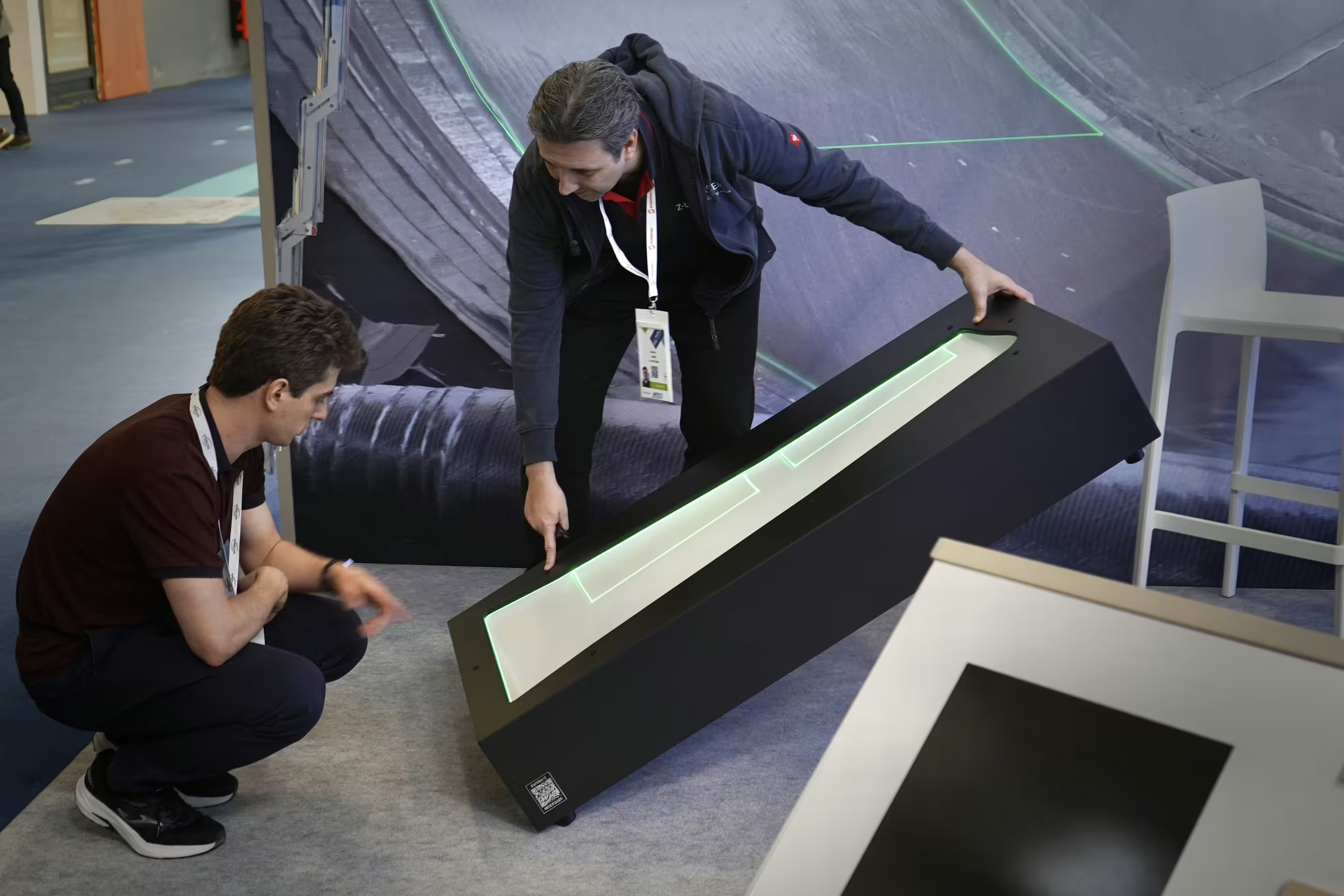
The model demonstrates using an example from aircraft construction how laser lines are projected onto the spatial shape of a wing. The laser marks the exact position of flaps and ailerons. This enables precise alignment of GFRP panels during production. Trade show visitors immediately recognize the benefit of Z-LASER's industrial laser projectors. The model was used in Paris at the JEC World, a trade fair for composite and fiber-reinforced applications.
Concept, CAD design and styling of the CNC-milled mold
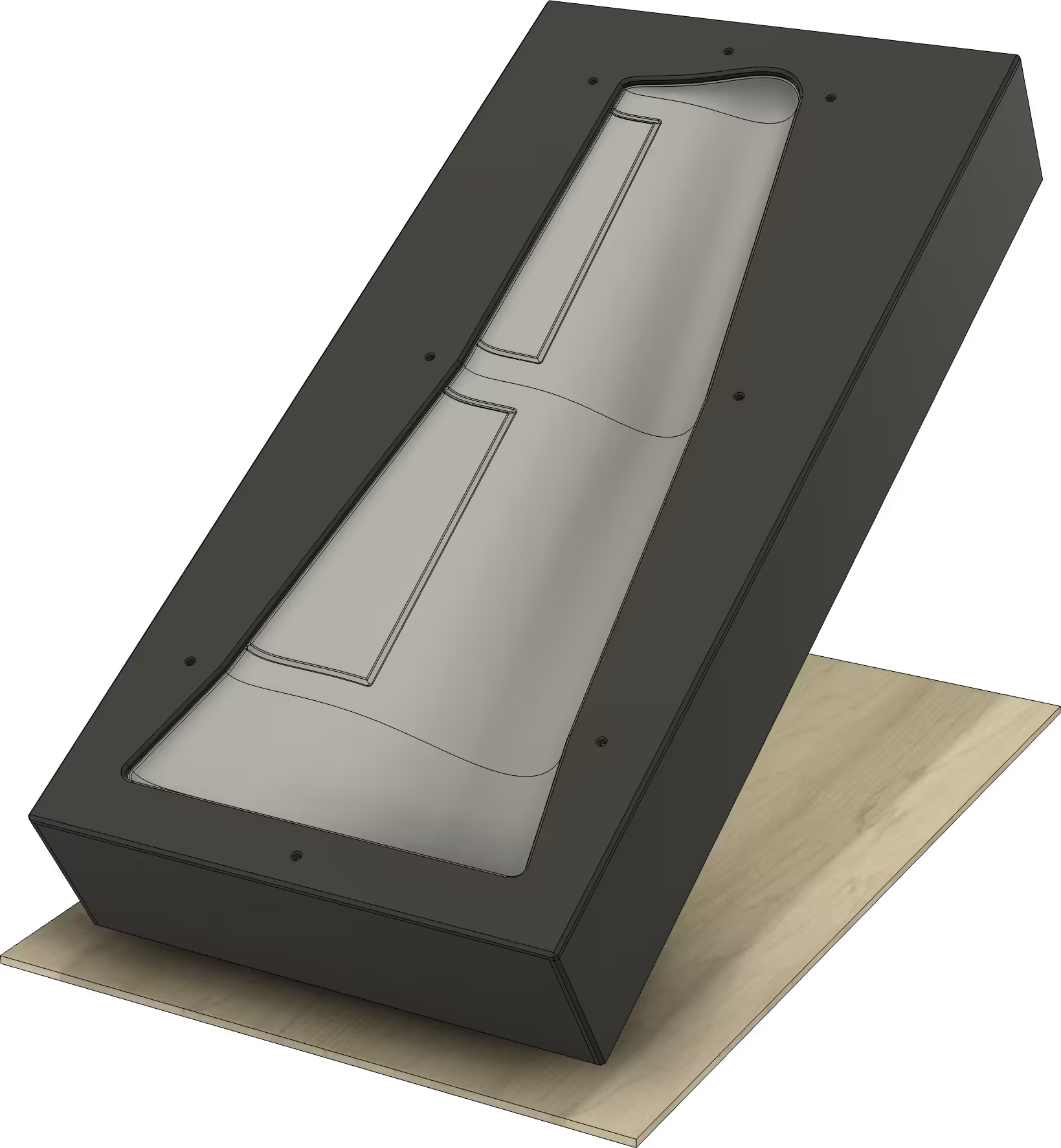
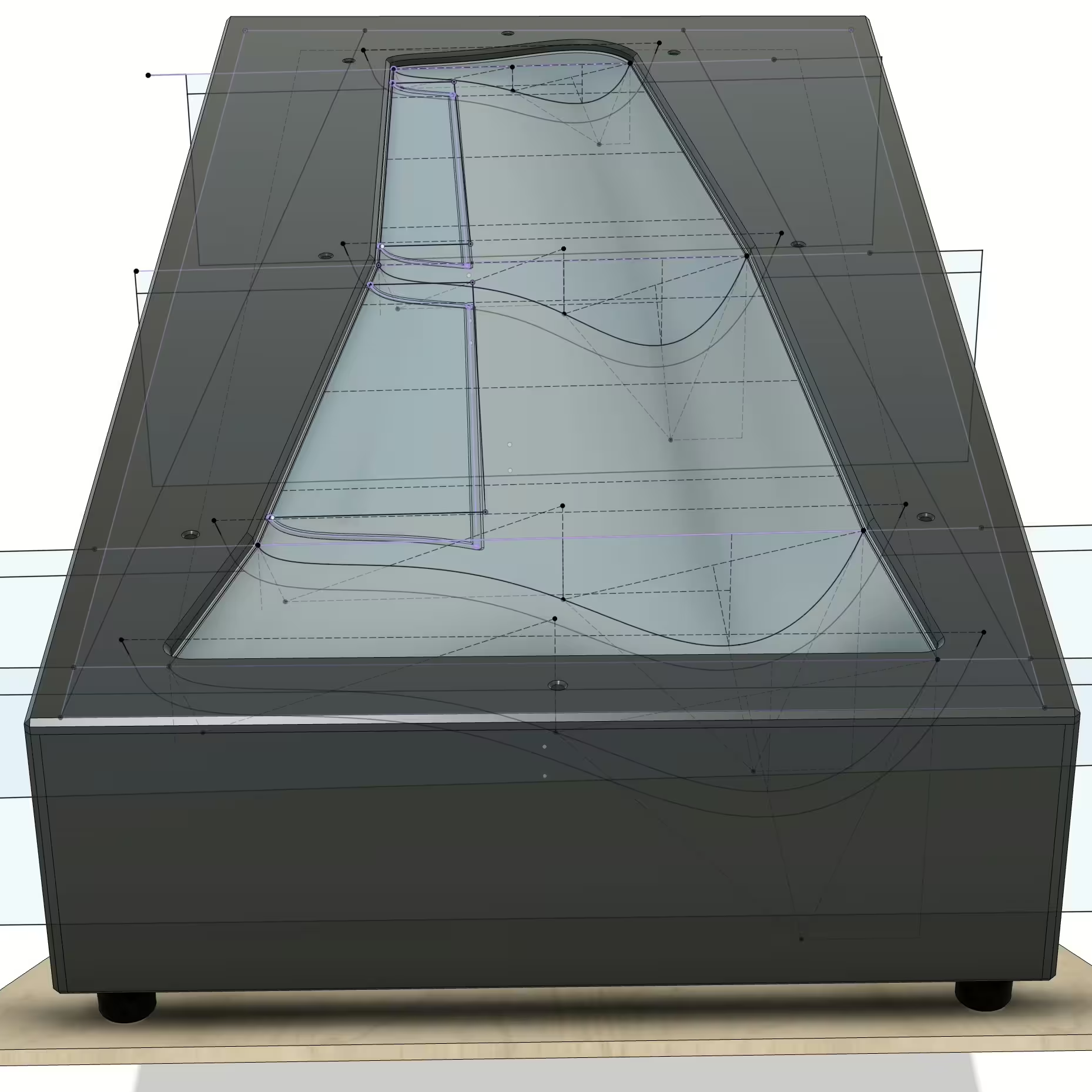
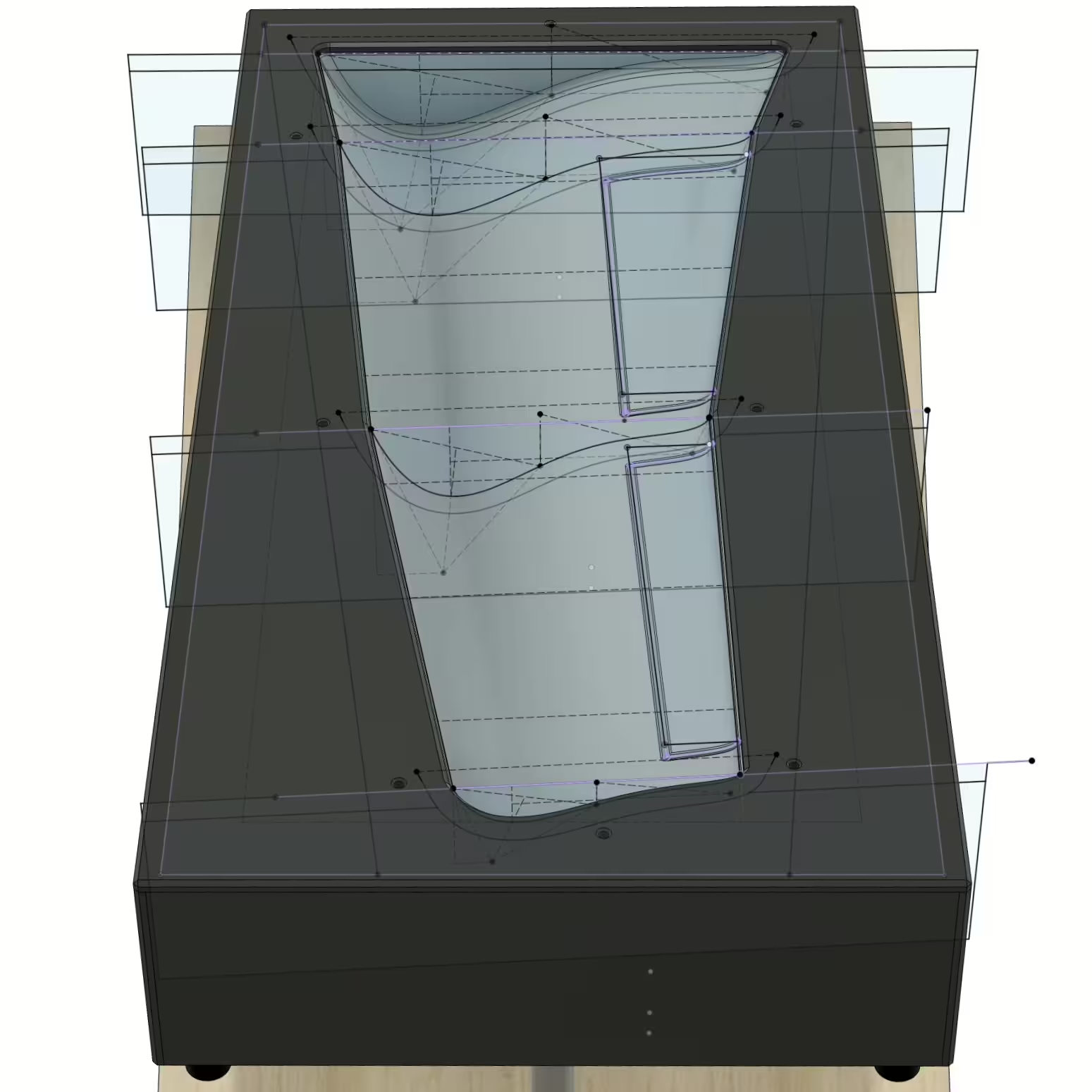
Before manufacturing, the exhibition model was fully designed in CAD. The challenge was to create as realistic a negative mold of a wing as possible, suitable as a demonstration model for laser projection and at the same time functioning as an optically appealing exhibit at the trade show.
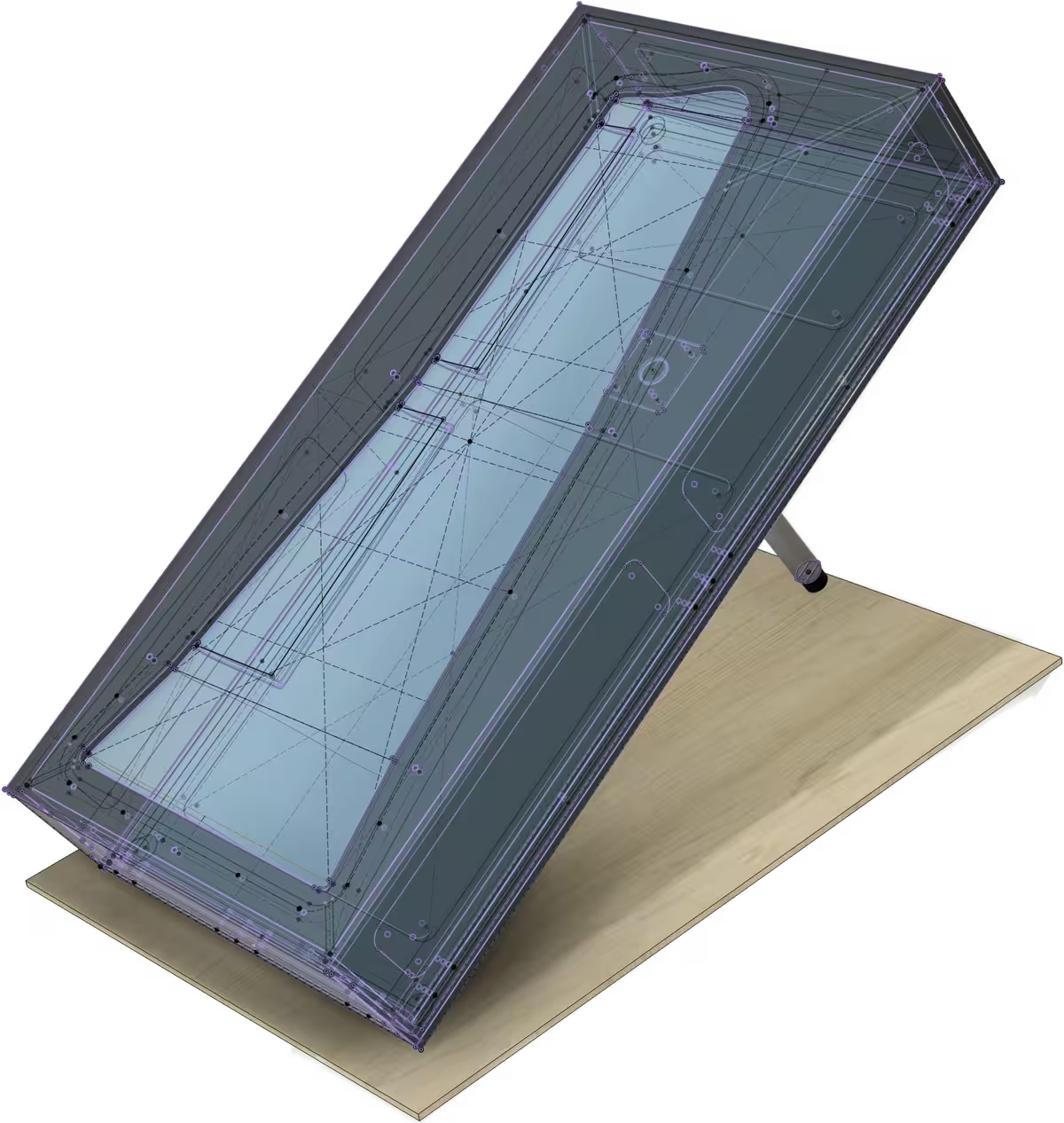
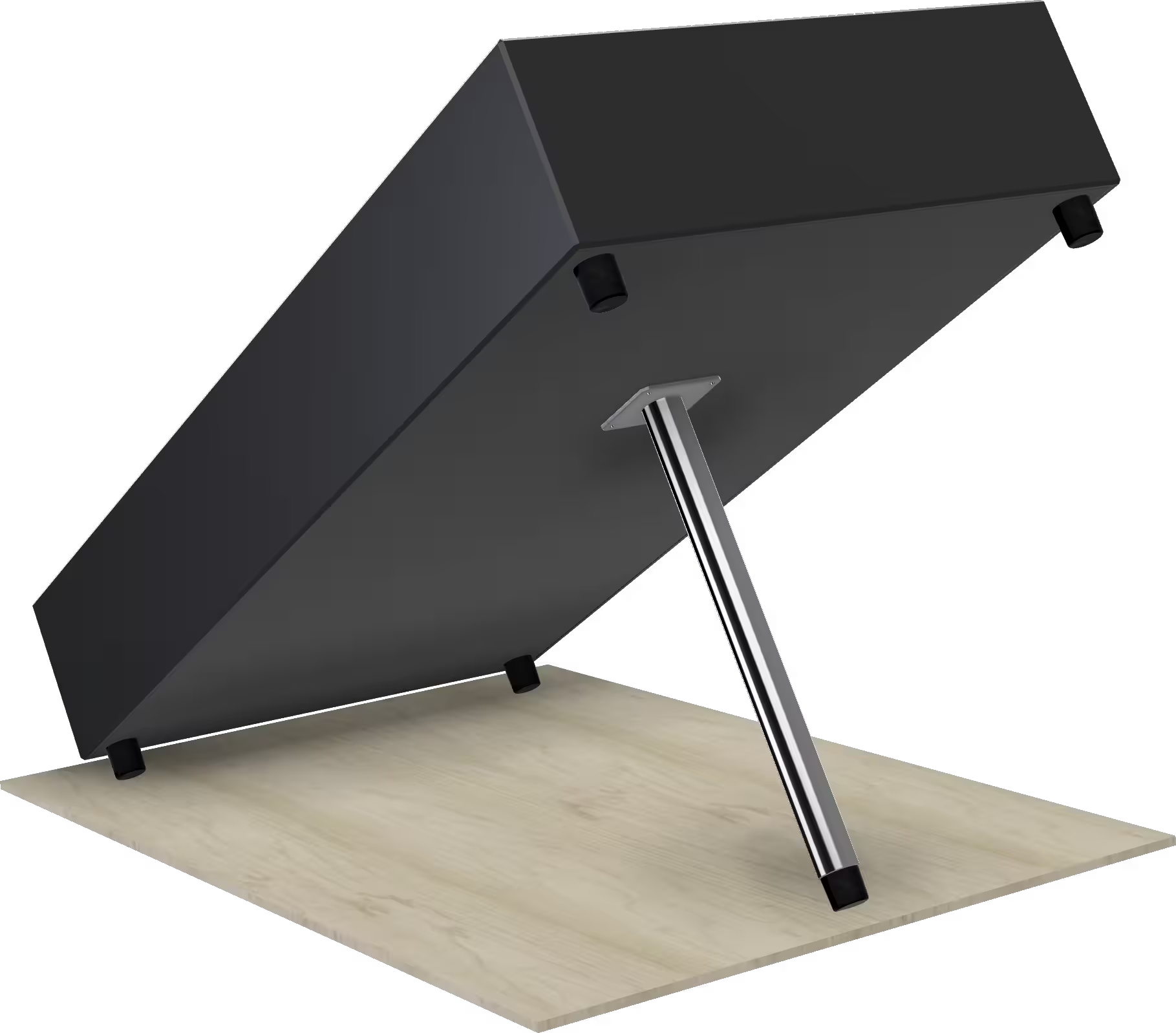
The body was designed so that the form can lie flat on rubber feet or be set up at an angle of 30 degrees over a stainless steel leg.
The laser reflectors were integrated into the top of the form as reference points so that the laser projection can be precisely aligned on the 3D surface.
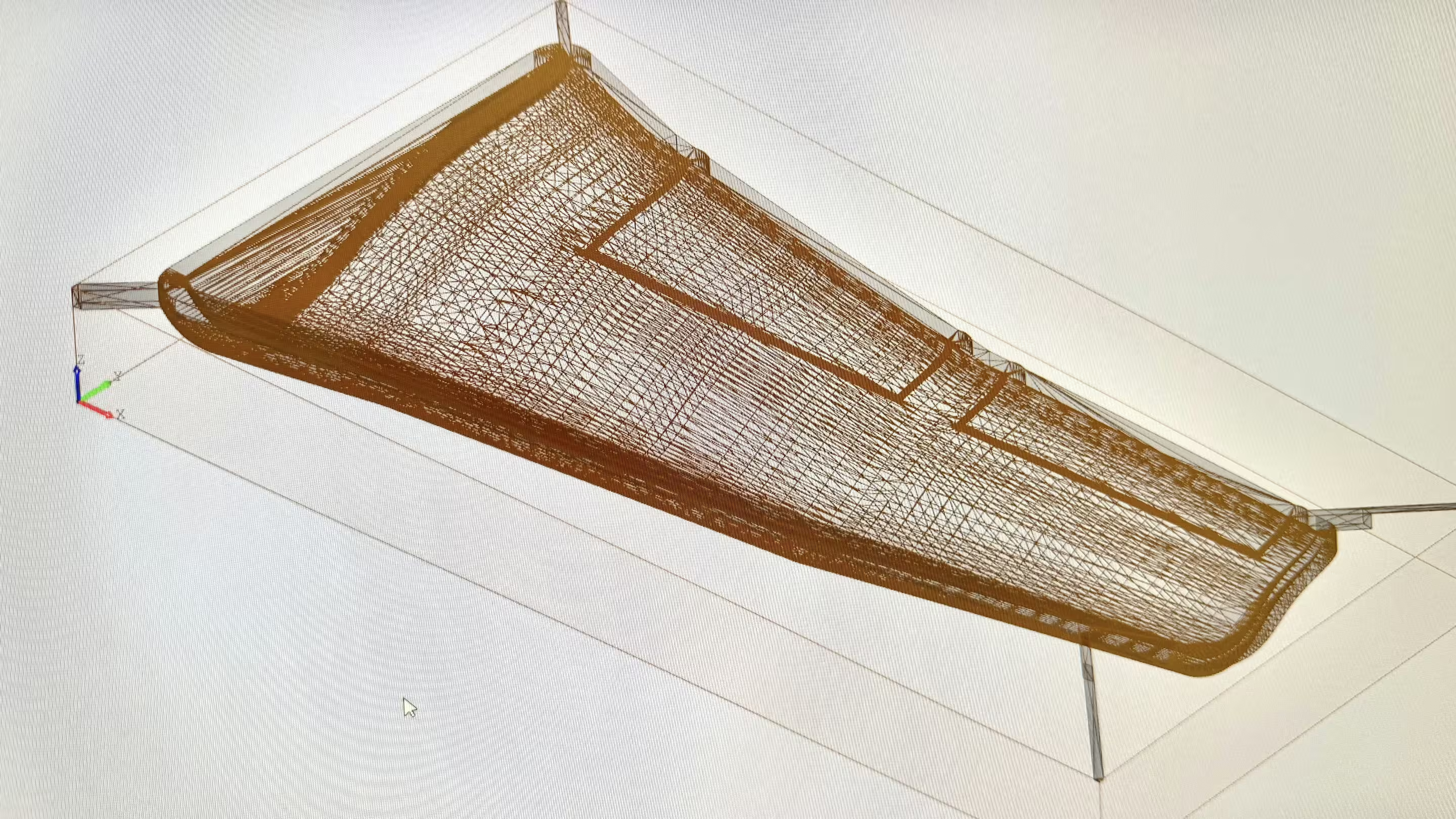
CNC mold making on the gantry mill for precise 3D contours
The mesh of the 3D model shows the freeform surface shortly before CNC machining. From several profile contours a spatial negative form is created, which is then translated into milling paths. In this CAM planning it is determined how the form is roughed and finished, with which paths the ball nose cutter travels over the surface and how the 3D contour is finally cleanly worked out of the MDF.
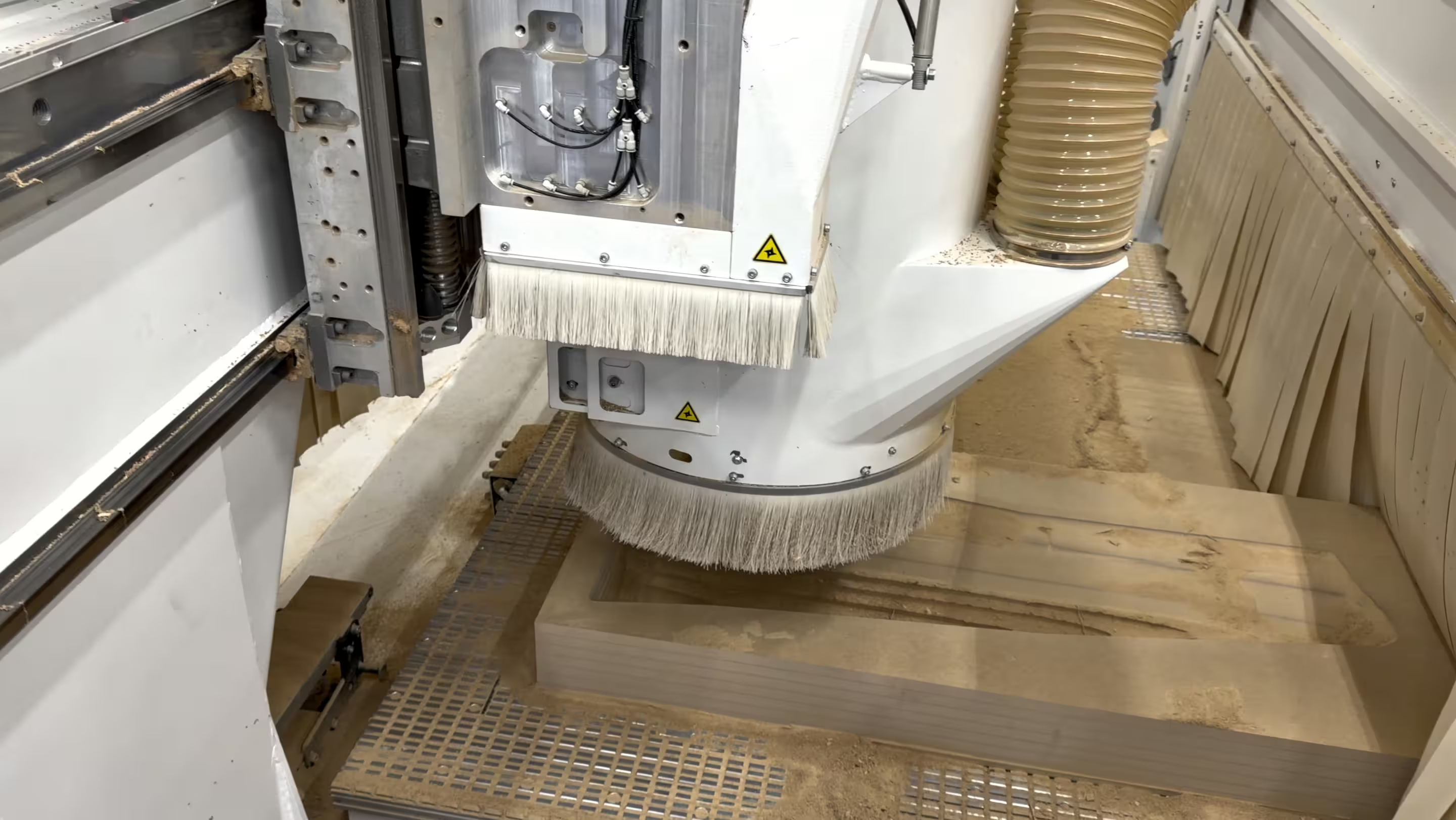
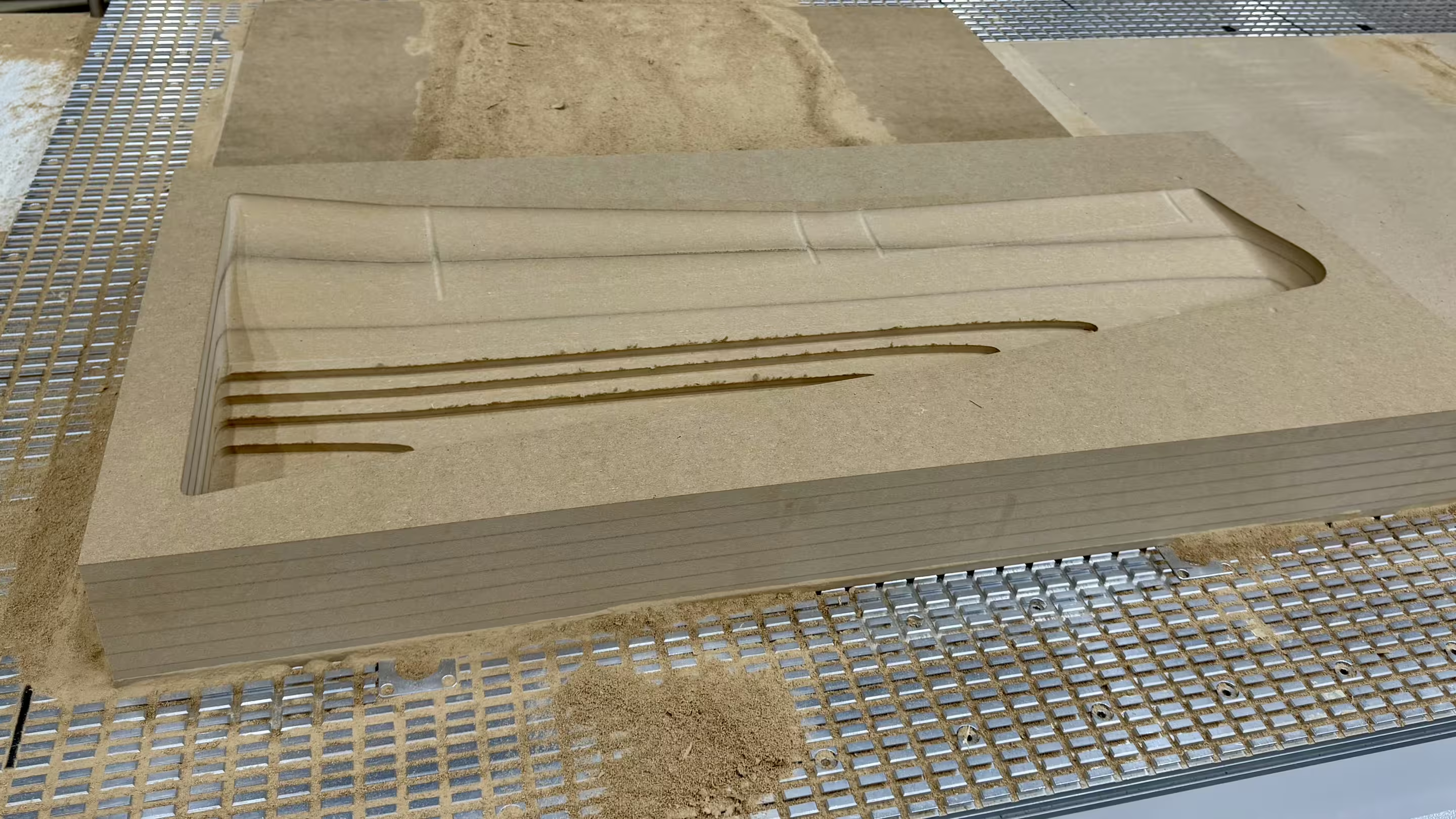
During manufacturing, the wing form was milled from a glued MDF block on a gantry mill. The raw block was approximately 130 cm long, 60 cm wide and 12 cm high. On the vacuum table of the CNC mill the 3D contour was first roughly roughed and then precisely finished. This produced a clean basis for later reworking.
At this manufacturing step the negative mold is already half finished. At the deepest point the milled wing form reaches about 10 centimeters into the material. The lower stepped areas are still in the roughing state, while areas above are already finely milled. The surface quality of about 0.15 mm facilitates subsequent sanding and painting.
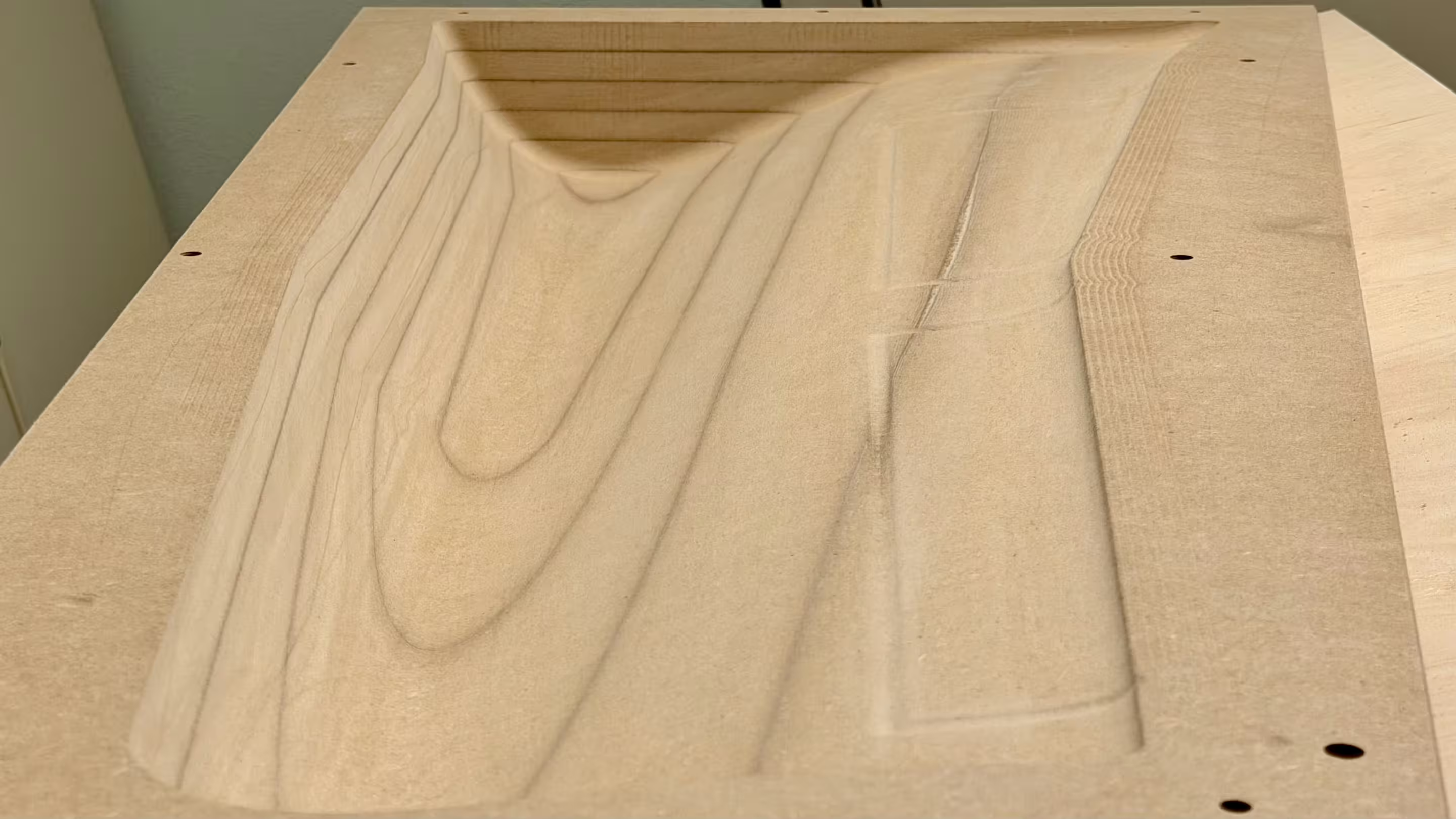
After CNC milling the MDF mold is further processed by hand. Visible layer lines of the glued panels are sanded and the freeform surface is prepared for painting. This combination of CNC production and careful rework is typical for mold making, where technical accuracy and visual impact at the trade show are important.
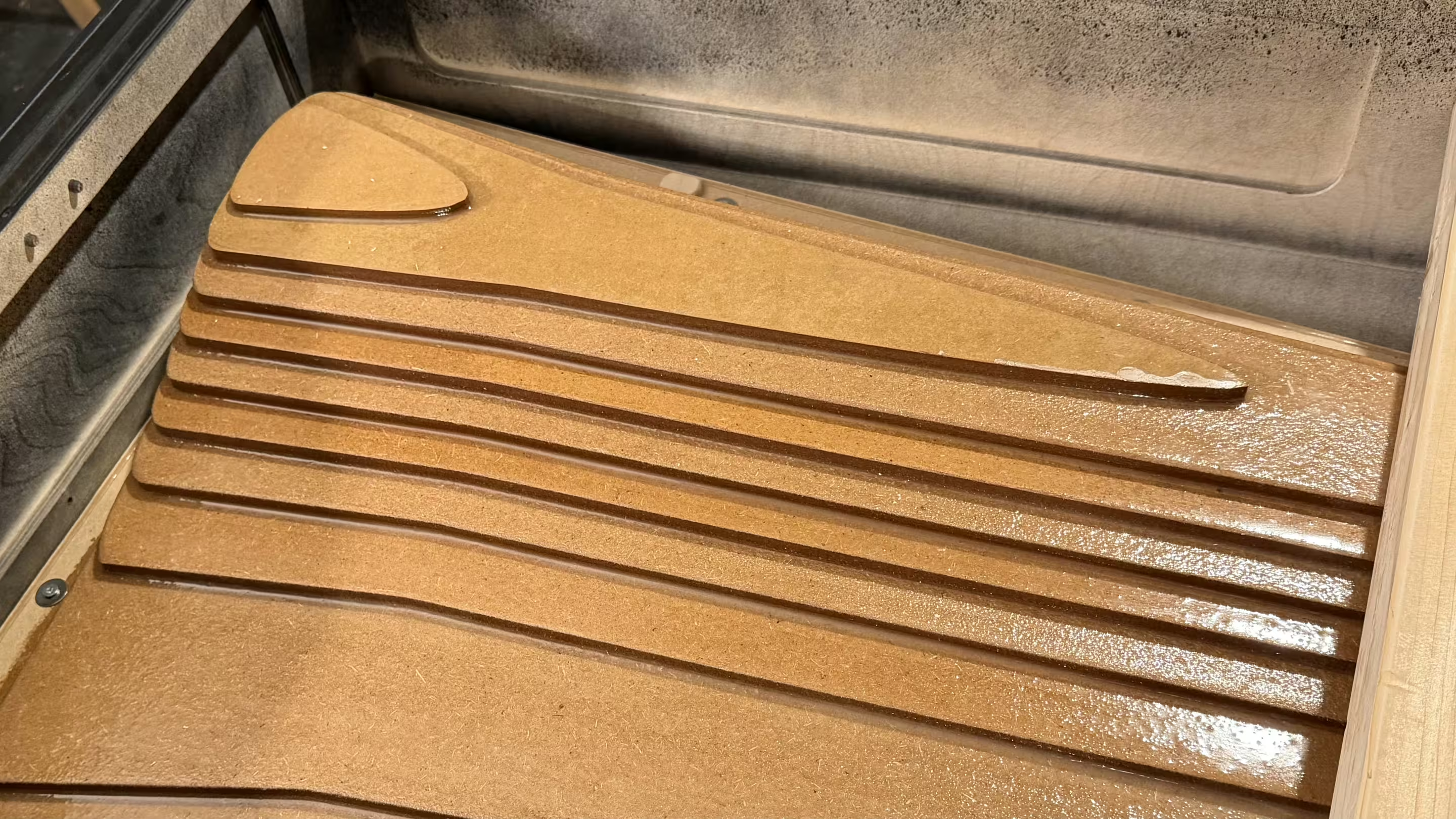
Subsequently, the milled MDF negative form was inserted into the body. From below the stepped milled areas can be seen, which result from the only roughly roughed back side. Later at the trade show the raw underside will be hidden in the crate, while the painted 3D form remains visible on top.
Good handling at the trade show thanks to CNC-milled body
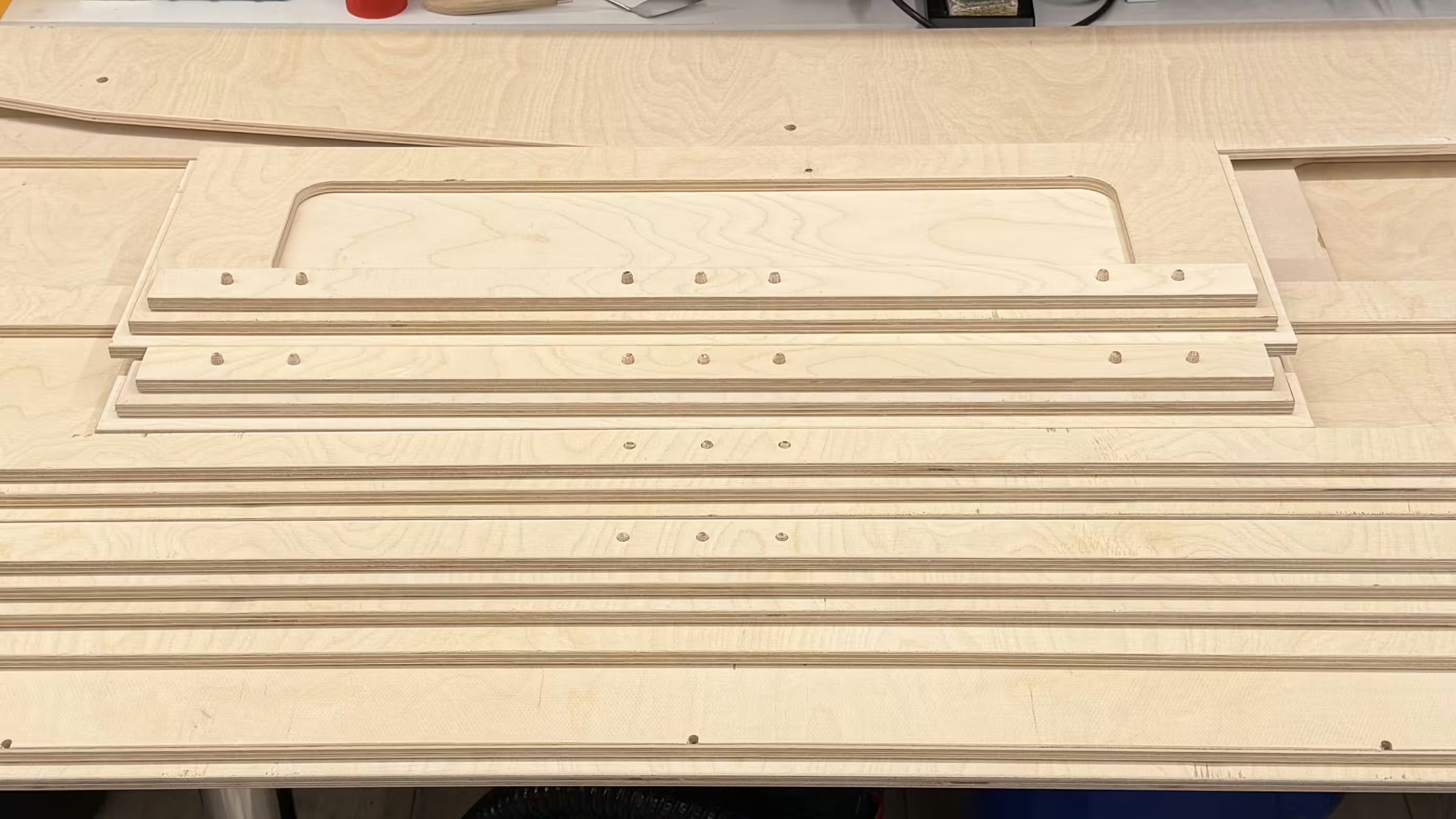
The body of the exhibition model was built from multiplex boards, glued and clamped with screw clamps and tension belts. It neatly encloses the milled form and conceals the technically necessary, roughly processed areas on the underside. Thus the MDF form becomes a presentation-ready exhibit for the trade show with a deep black frame.
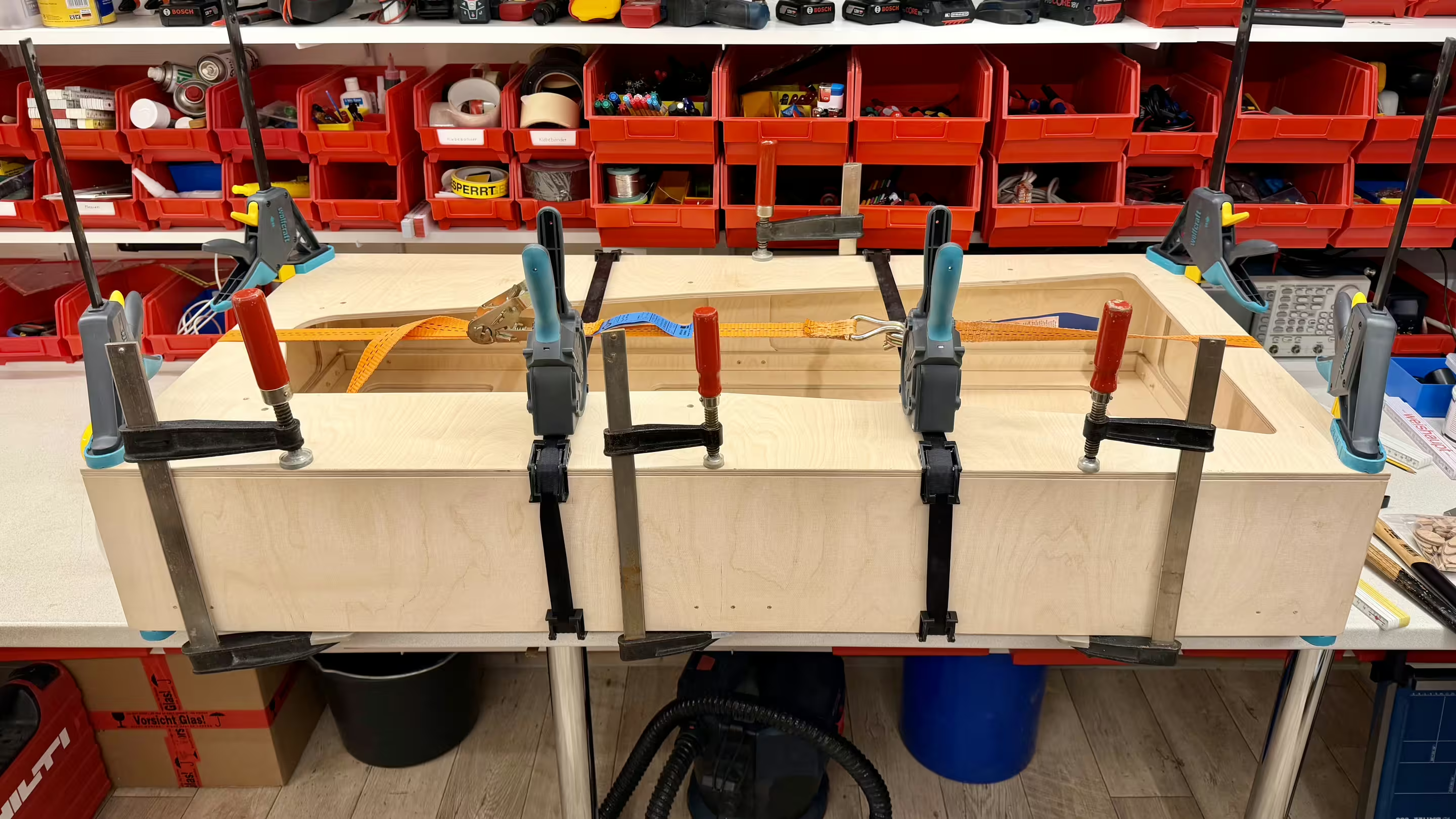
The side panels were designed to remain stable while saving weight. Several plywood sheets were glued together. Material was removed from the interior while the load-bearing edges retained the supporting structure. CNC-milled contours create a precisely fitting housing that holds the form securely with minimal weight.
Clean design and matte paint for a high-quality impression
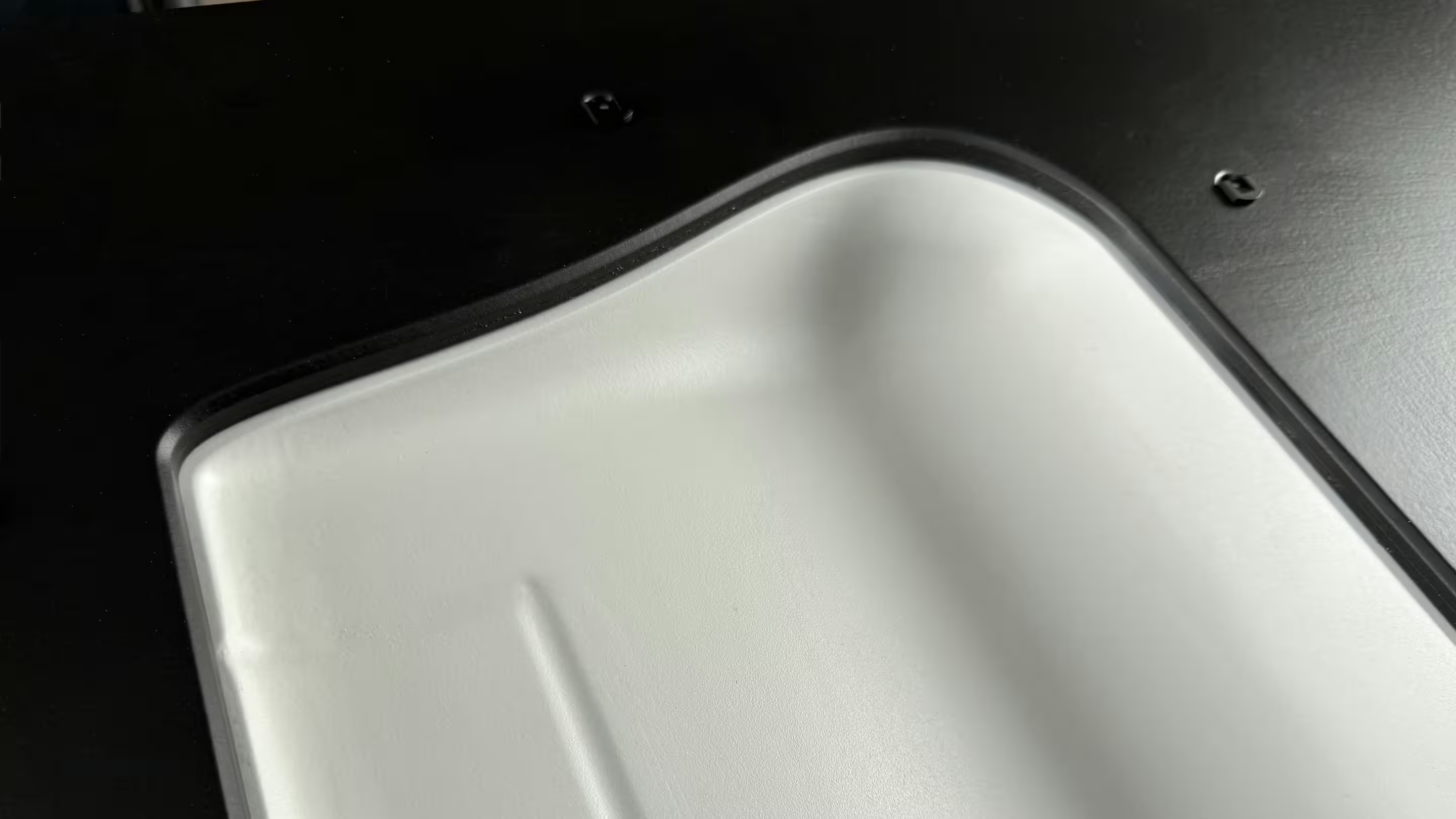
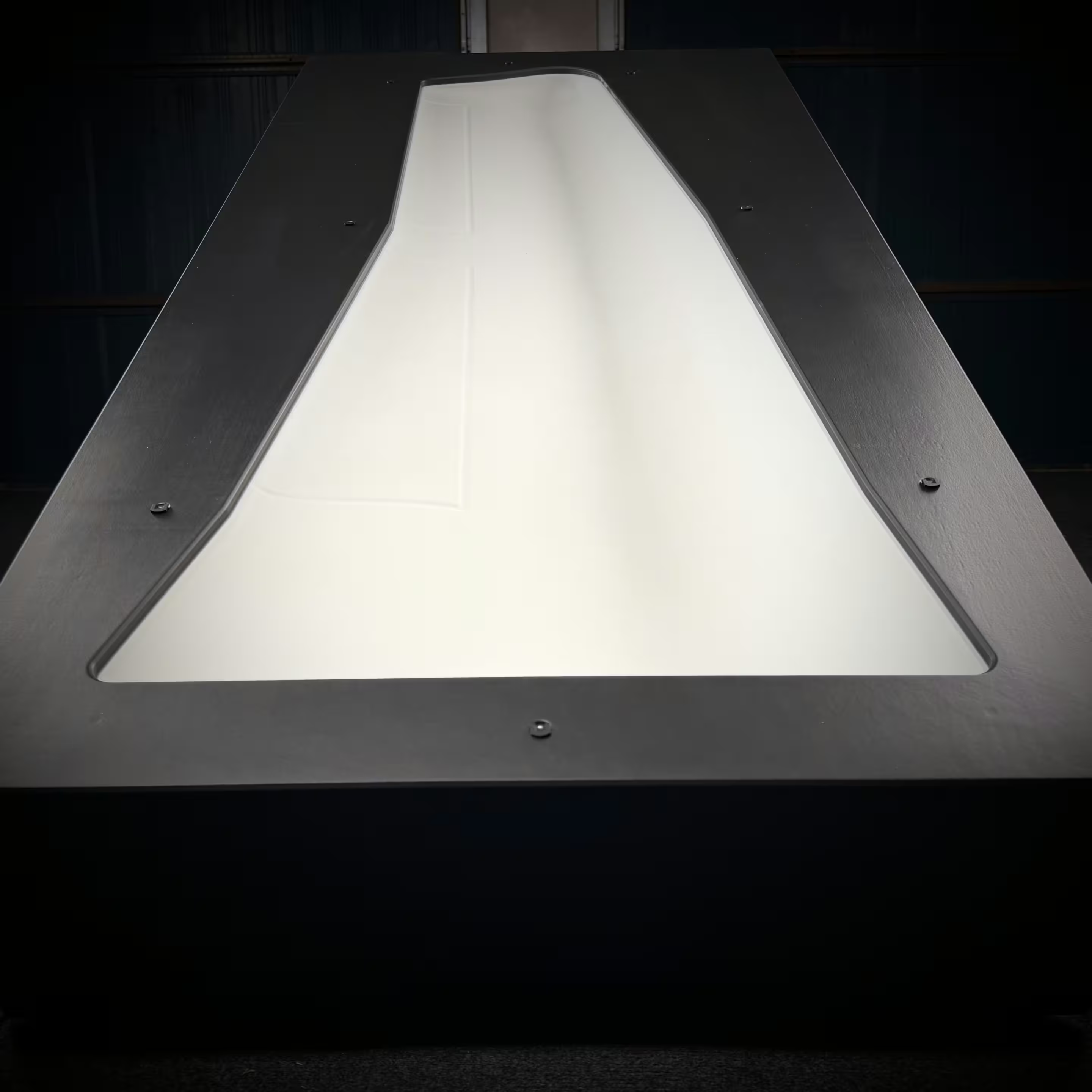
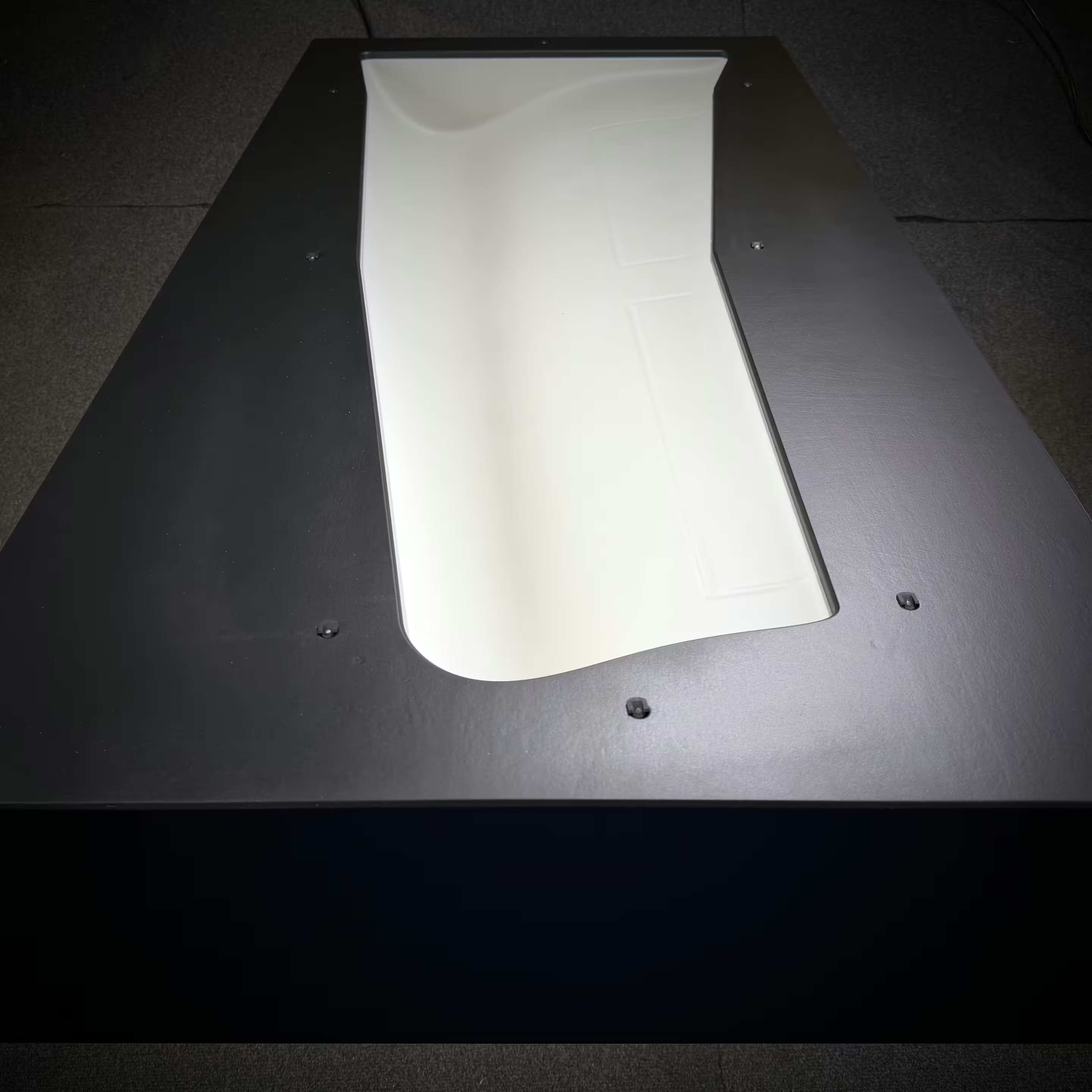
For the light mold, a matte paint in RAL 7035 Light Grey was chosen. The shade makes shadows visible on the 3D contour, so the wing shape appears sculptural. At the same time, the light surface provides very good contrast for the green laser projection. This keeps contours, flaps, and ailerons clearly visible even at the trade show.
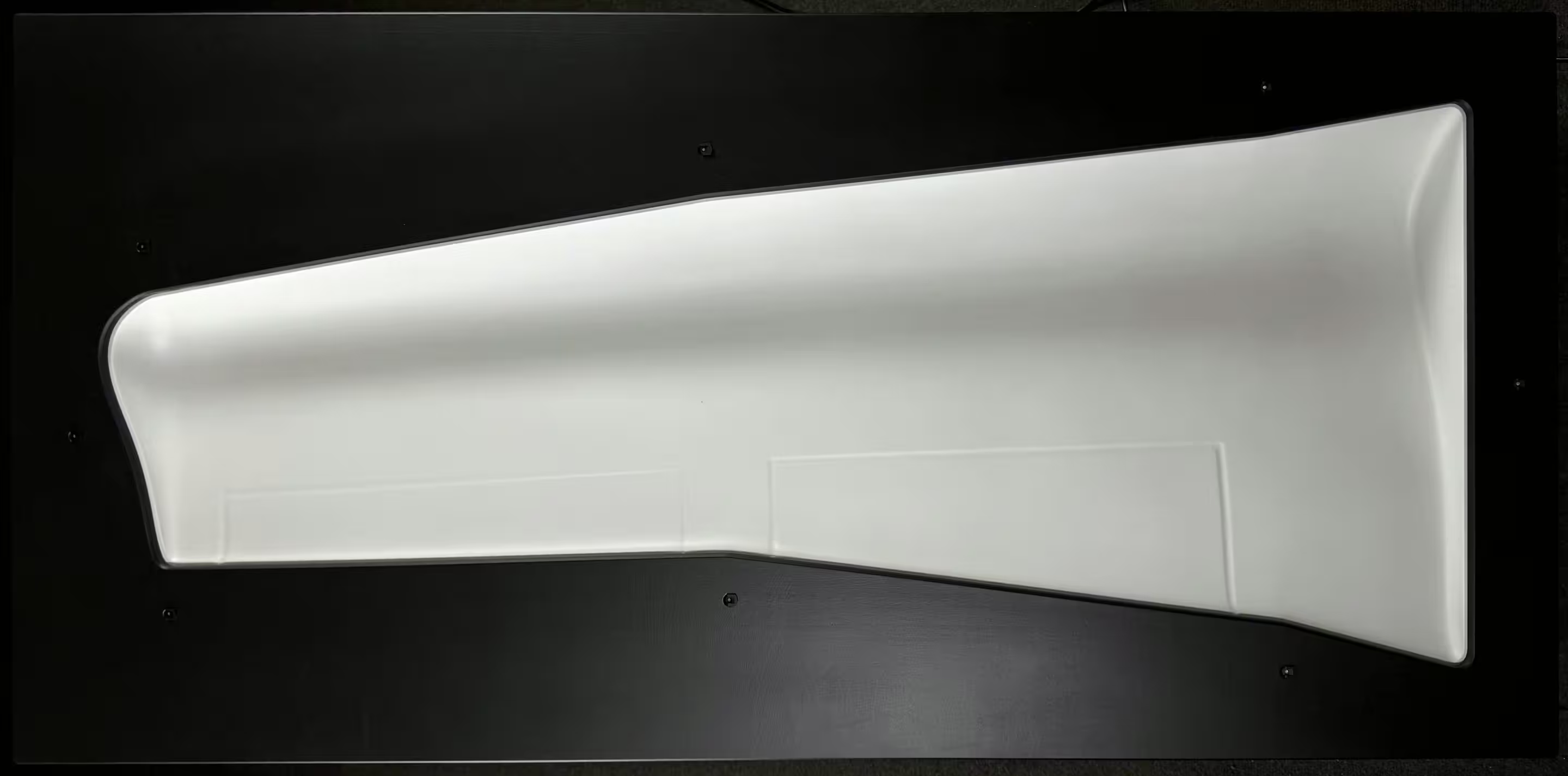
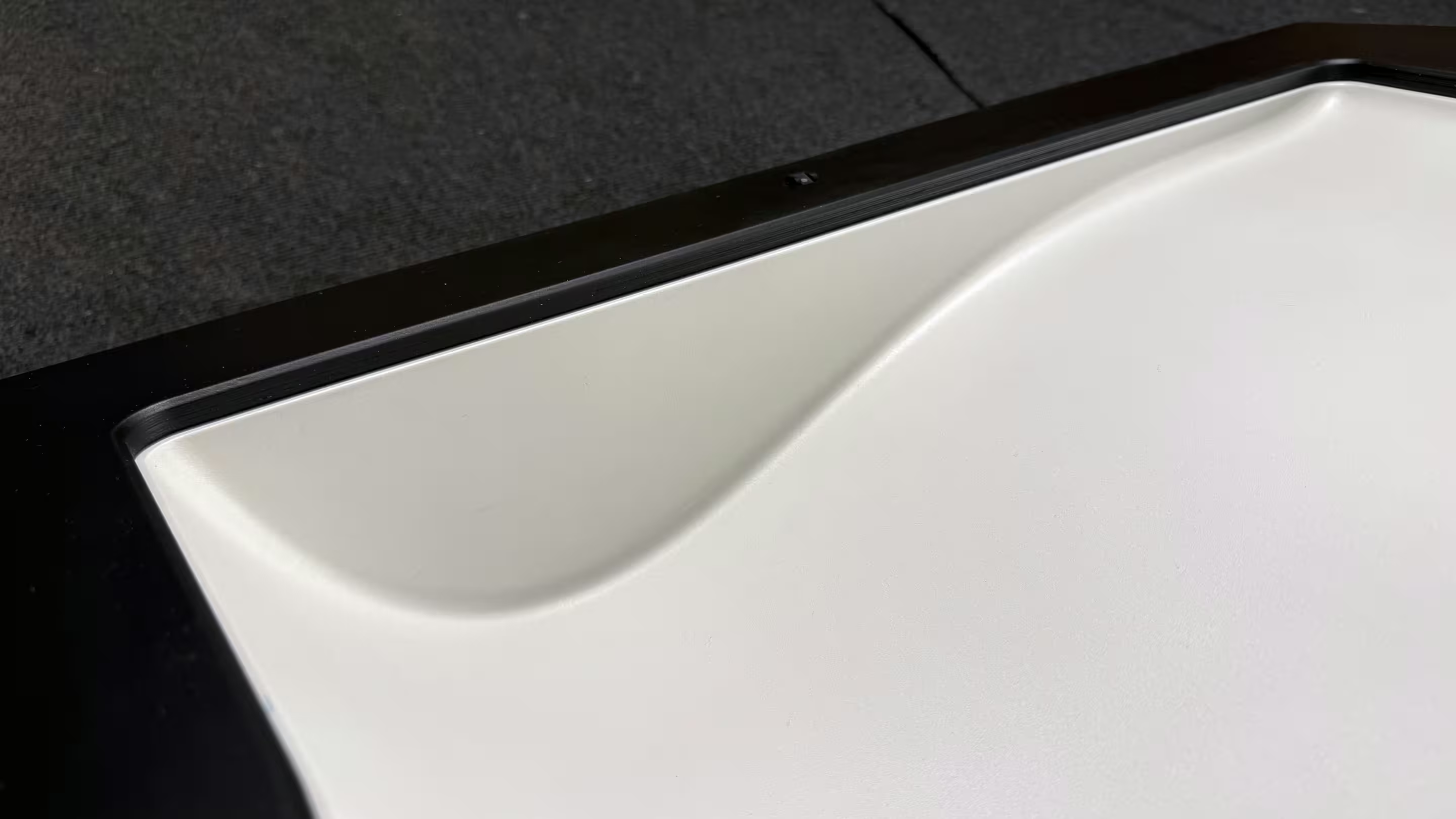
The outer housing was finished in RAL 9005 Deep Black with a matte thick-film paint. The black frame makes the light CNC-milled form stand out visually. The box remains visually restrained while laser lines and the 3D contour form the focus of the trade show exhibit.
Mold making from the CAD model to the real mold for the trade show
The comparison of CAD model and finished exhibit shows how the digital design was transferred into real mold making. On the left is the 3D construction of the wing negative mold, on the right the painted result from the same perspective.
CNC mold with stand, QR code and reflectors
The finished mold was assembled for presentation at the trade show. The black multiplex body, the light 3D contour, the matte painted surfaces, and the prepared reference points for the laser projection create a calm overall appearance. On the dark background it is clearly visible how much the focus is on the light negative mold.
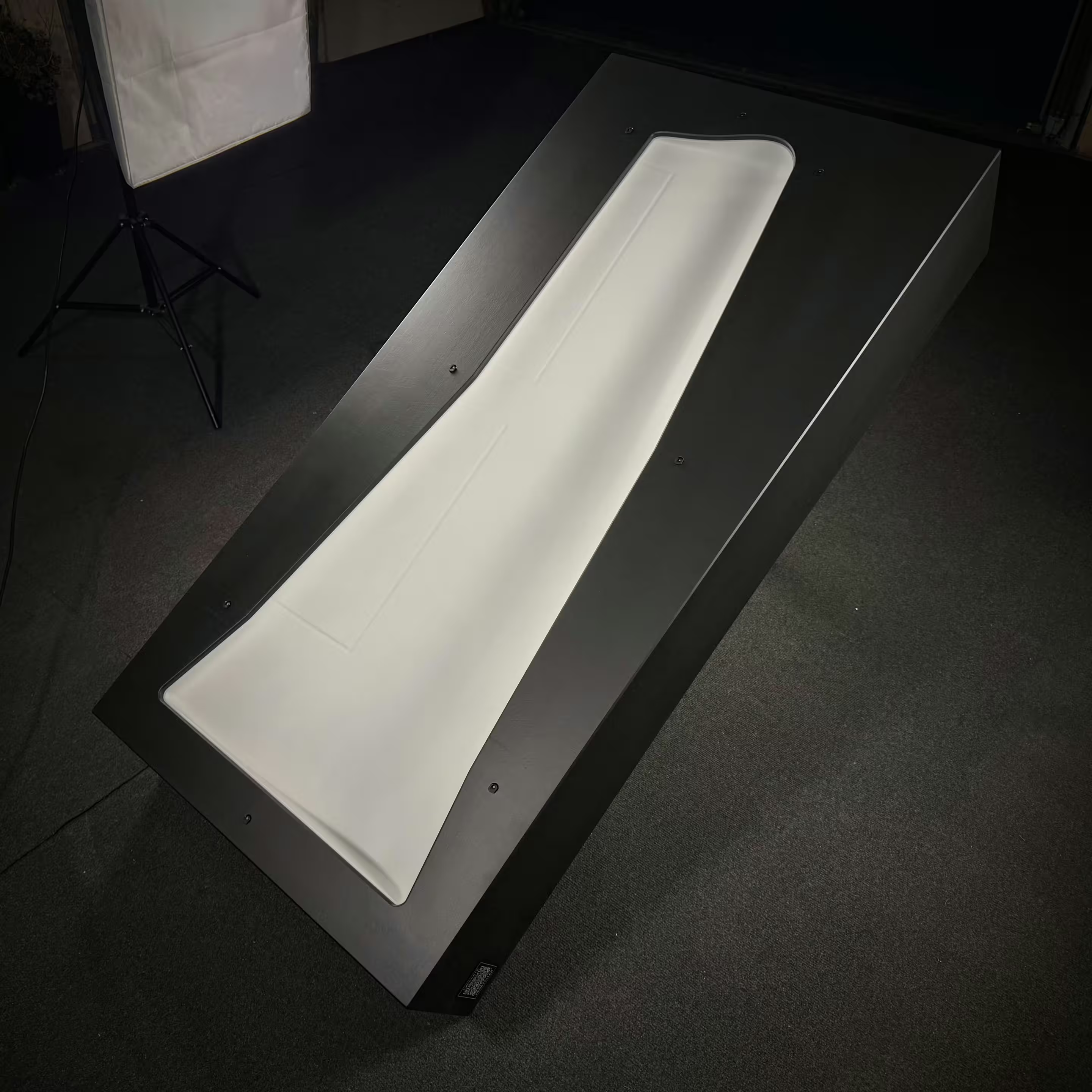
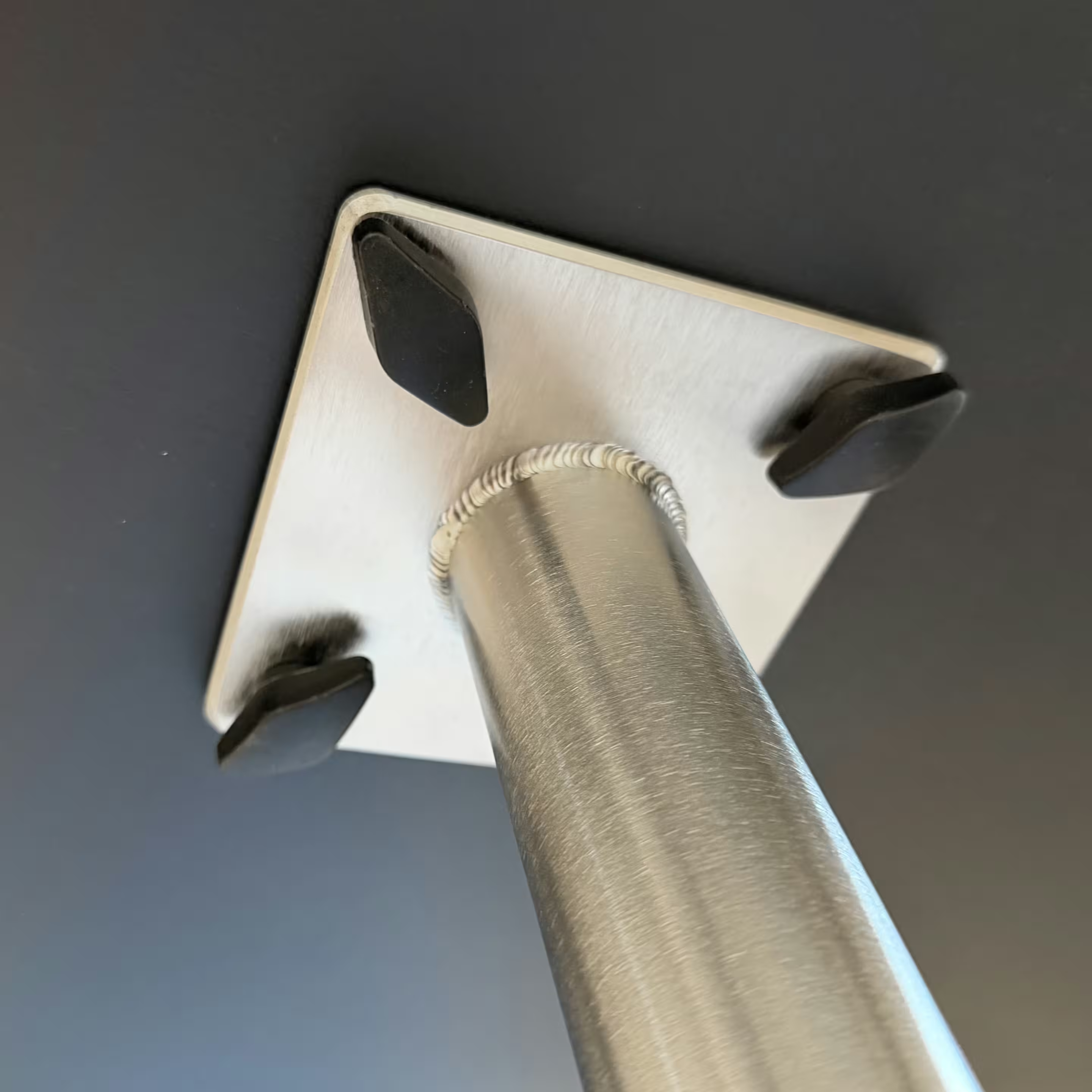
For use at the trade show, the mold can lie horizontally on its rubber feet or be mounted on the stainless steel leg at a 30-degree angle. The foot is removable for transport and is secured with hand wheels. The finished trade show model measures with body approximately 1.34 meters in length, 65 centimeters in width, and 21 centimeters in height. This makes the mold compact to transport and quick to position for presentation at the show.
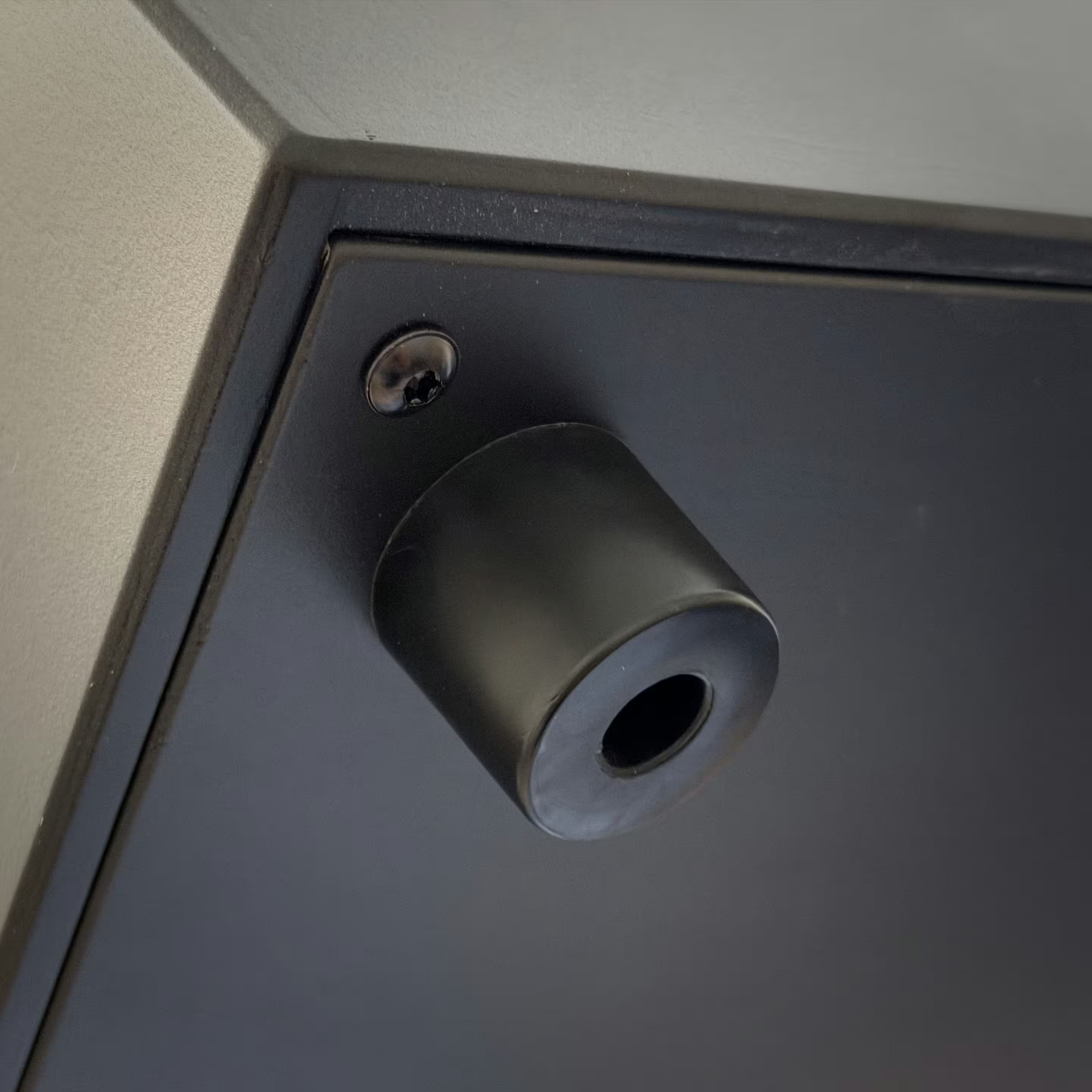
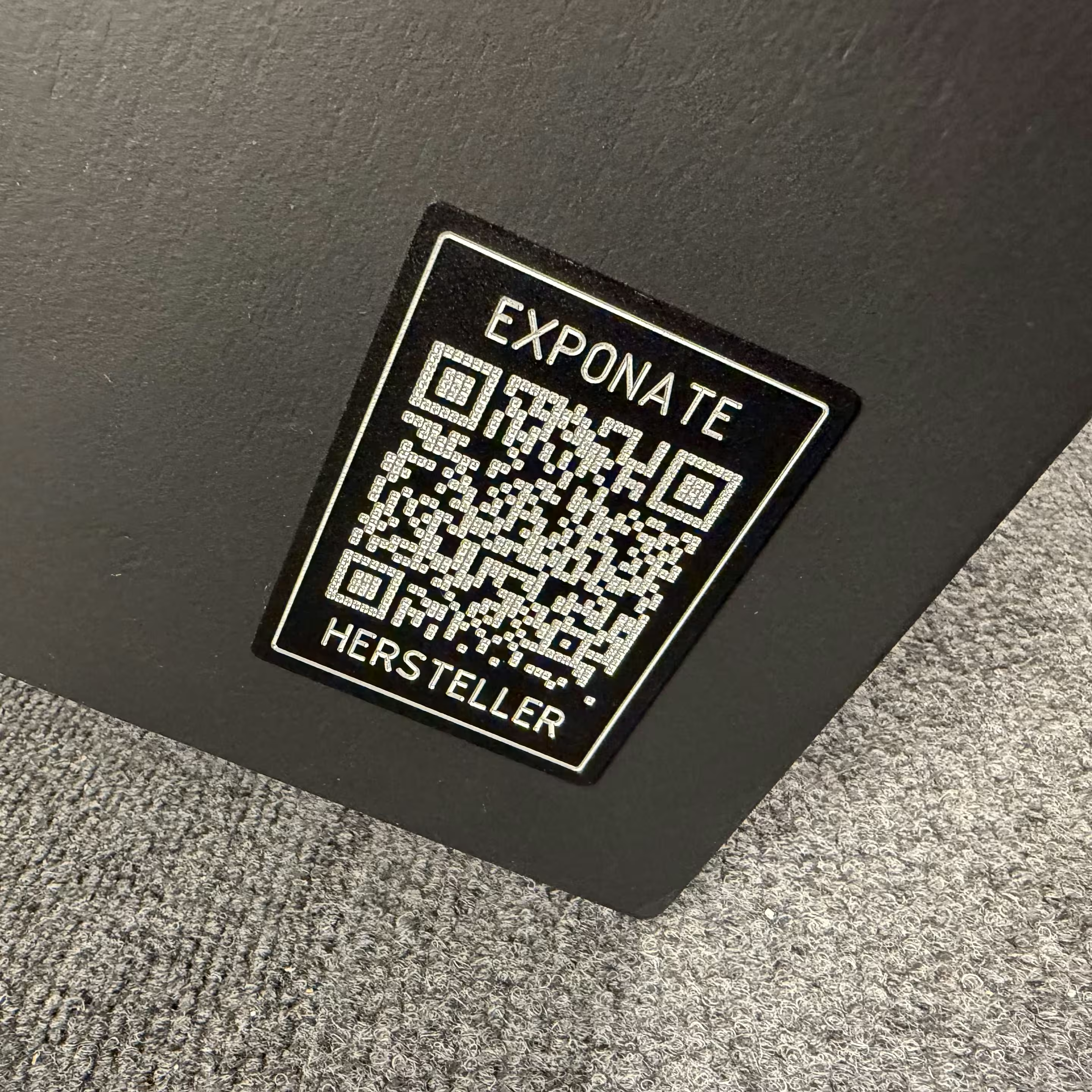
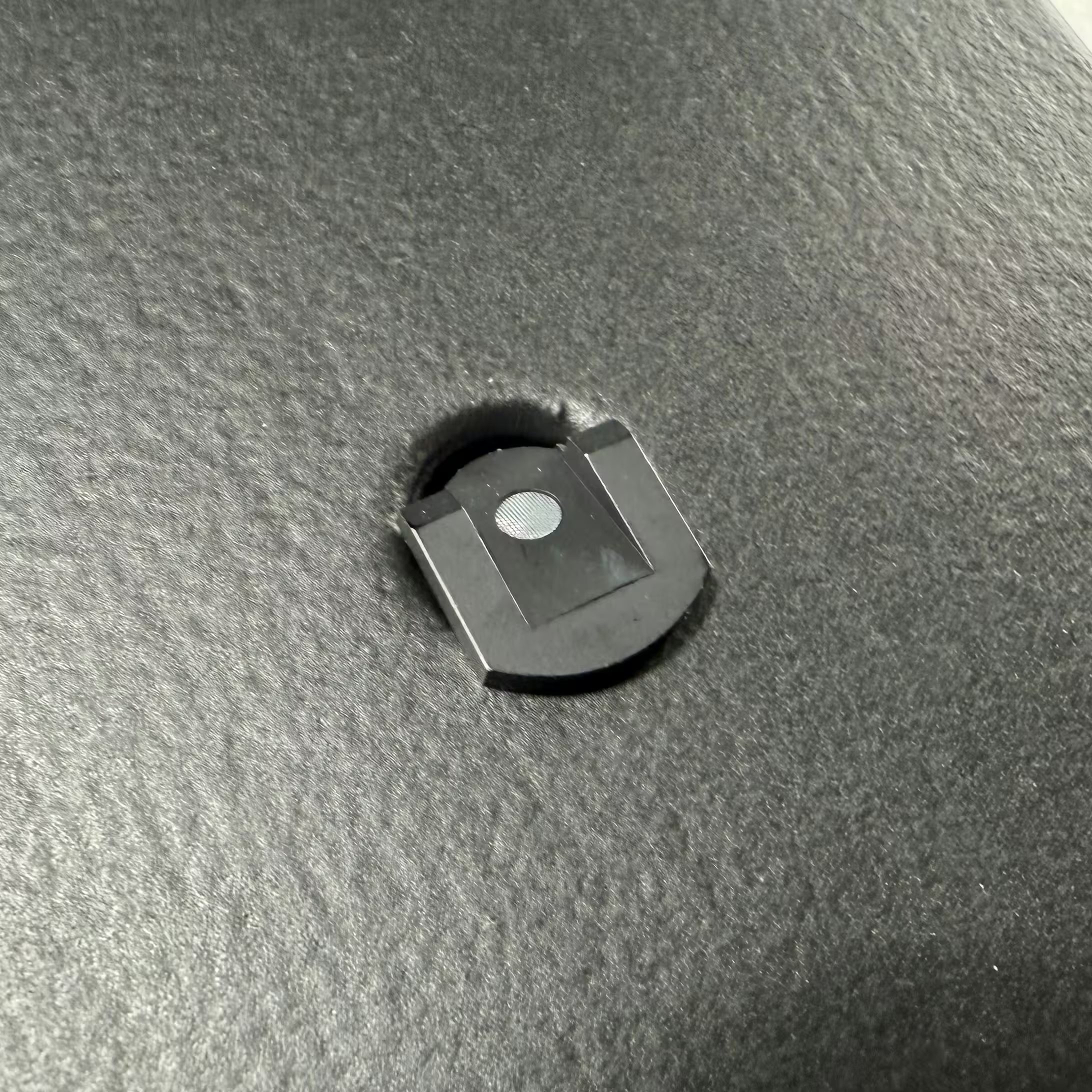
A QR code is engraved on the black-coated aluminum plate, linking to this project page. Trade show visitors can access background information on the manufacturing and mold construction of the exhibit. The second shot shows one of the laser reflectors, through which the projector detects the position of the real mold and can precisely align its lines on the surface.
Mold making for trade shows, prototypes and technical demonstration models
The exhibit shown is an example of how mold making for trade shows can be used. Instead of just showing the product, an application is recreated that visitors can immediately understand at the trade show.
Following this principle, other technical molds and models can also be developed, such as injection molds, tooling, milling molds, or models for mechanical engineering, vehicle construction, plant engineering and aerospace. Traditional mold making can also be transferred to trade show and product presentation. Whether as a wooden mold, plastic mold, PU model, aluminum mold or combined custom fabrication: CNC manufacturing offers a lot of design freedom in terms of size, shape and surface.
Thank you for a great mold-making project
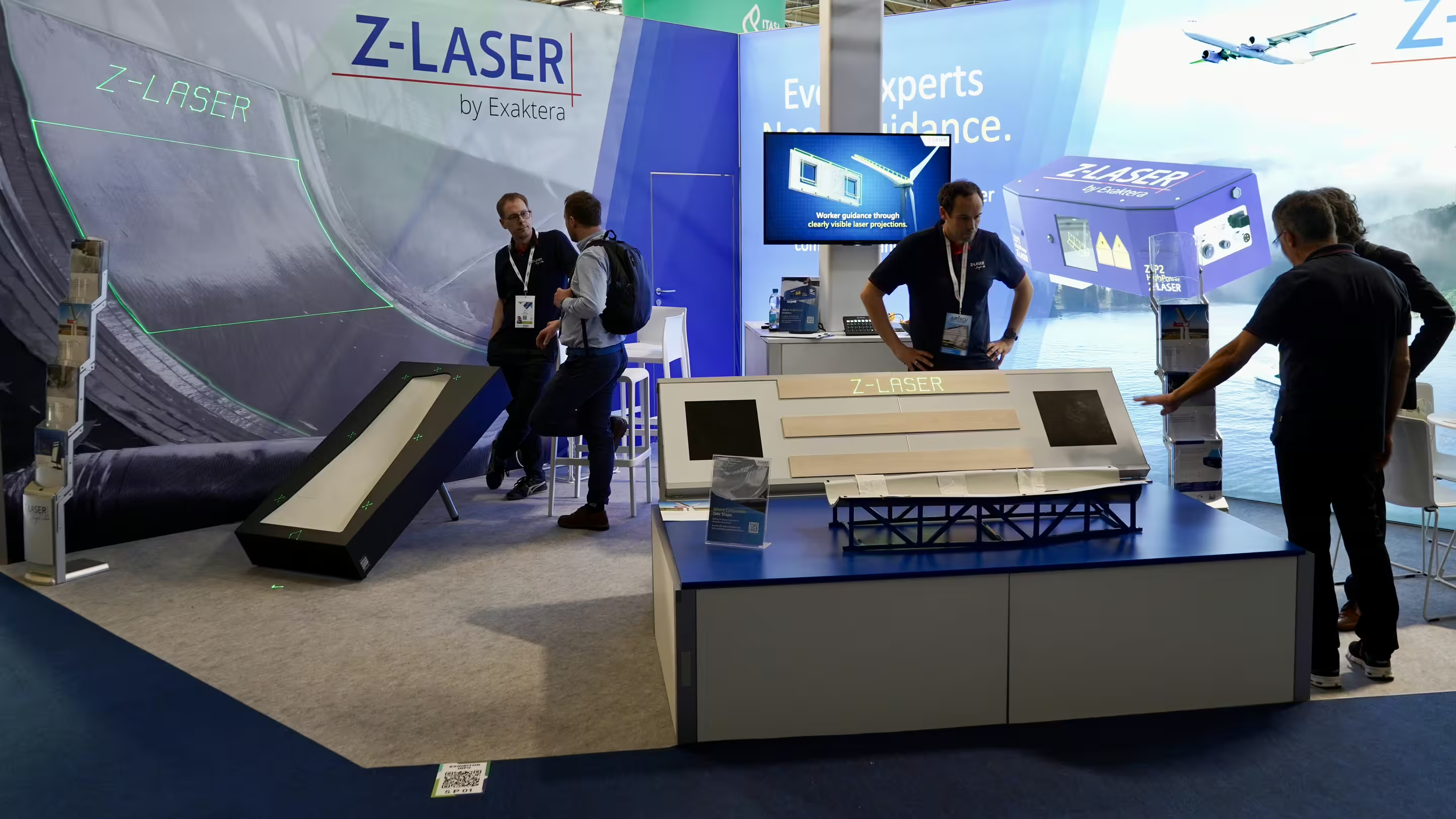
Ingenieurbüro Glaser thanks Z-LASER GmbH for the trustworthy and constructive collaboration on this trade show exhibit. From a technical idea, a precisely manufactured demonstration model was created that clearly explains laser projection on a three-dimensional mold and makes the application tangible on the trade show stand.